
Home / Insights / Thought Leadership
The Future of Higher Education – SCUP 2019 Annual Conference
Last week, #TeamHenderson made our way to Seattle, WA for the SCUP 2019 Annual Conference with some of higher education’s finest college and professional planners. Together, we discussed key trends and lessons learned – basically, all things higher ed. In case you missed it, here are some themes we took away:
Evaluate, Formulate, Implement
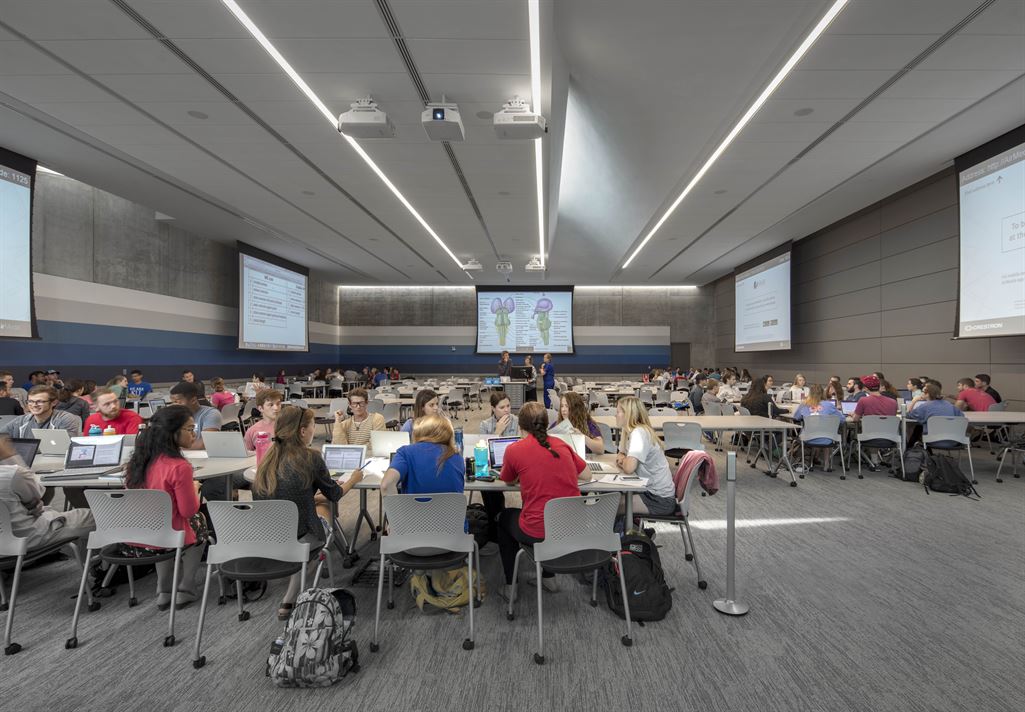
Learning environments are constantly adapting to the ever-evolving needs of today’s students and teaching methods – shifting from being resource-centric to discipline and learner-centric. Building on this mindset and taking it to the next level by focusing on what’s called “humanics,” universities are starting to concentrate on opportunities where students can “retool, learn new skills, upscale, and upgrade” their education. Essentially, as new technologies surpass workforce skills, learners must have the opportunity to gain new skills to continue to bring value only they can bring. That way, in a world where technology is woven into everything we touch, they’re equipped with skills and tools that machines and artificial intelligence can’t comprehend. The integration of this literacy can be categorized into three areas:
- Technology – what machines do
- Data – what machines produce
- Human – the ability to be creative, read people, innovate, and transfer knowledge
- As we all already knew, learning environments are evolving, becoming purpose-driven, and adaptable to the user. This continues to be a trend as universities stay on the path of creating spaces that are student-centric.
- Technology integration is becoming more prevalent in modern learning spaces. A key focus needs to be how that technology can complement the space and learning objectives of the class. This will allow the students’ skills to develop regarding what they’re able to contribute to a task versus a machine.
- If more institutions adopt the idea of forming partnerships with businesses on their campus, the required design expertise for these spaces start to go beyond a traditional education building. This means merging the needs workplace, restaurant, retail, and laboratory spaces with those of higher education.
- As interdisciplinary and industry partnerships continue to shape the use of campus facilities, integrated planning must become the norm. Space use planning, flexibility, and well-planned infrastructure to support multiple departments or future curriculum changes are all critical to the development or re-development of campuses.