
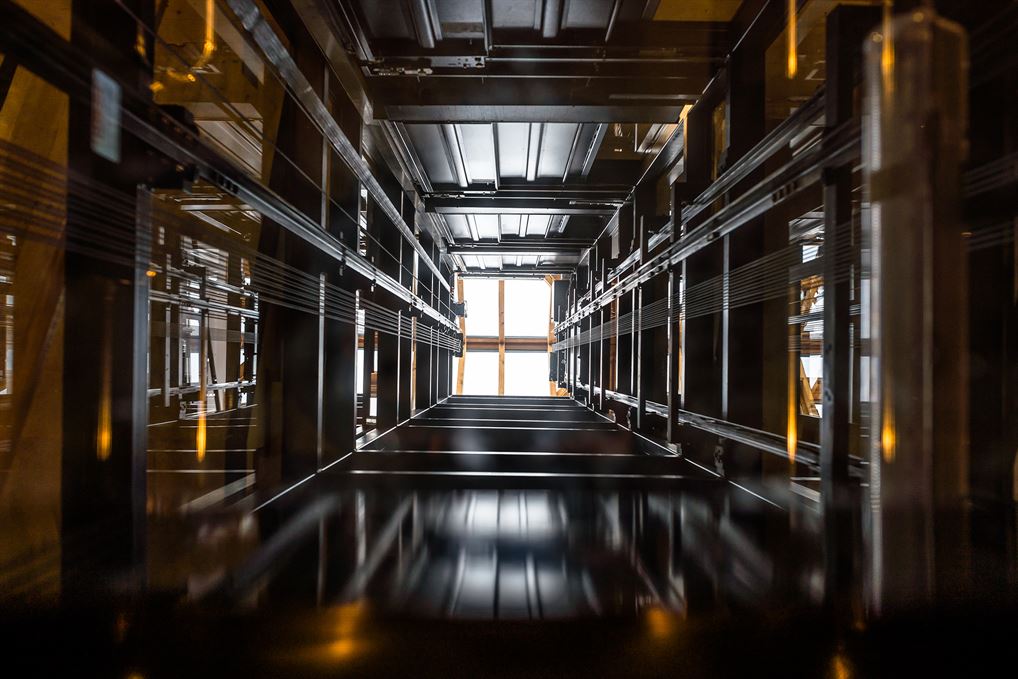
There’s Levels to It: Why Vertical Transportation Matters in Healthcare
Facility operators and owners often focus on clinical capabilities and patient care when planning for growth, but infrastructure tells a compelling story of long-term performance. Elevators and escalators, also known as Vertical Transportation (VHT) systems play a central role in how hospitals operate, respond and deliver care but are among the most misunderstood systems in the healthcare environment.
Facility managers who understand their systems, address risks early, and take a proactive approach to position their organizations for stronger performance and readiness. In healthcare, every second counts. Every system matters. Vertical transportation connects them all. Understanding system types, condition, and service risks is essential to making informed decisions, especially on how well prepared your hospital is for the unexpected.
Why VHT matters in critical moments
You never want the first real test of your elevator system to happen during an emergency. Whether it is a weather event, utility outage, influx of patients, or an internal emergency response, hospitals depend on VHT to keep operations moving. Elevators support everything from patient transportation and emergency response teams to pharmacy deliveries, food service, and janitorial services. When systems slow down or fail during high-demand moments, the ripple effect can impact staff efficiency, patient movement, and ultimately care delivery. That is why VHT health plays an important role in emergency preparedness. Knowing how your systems perform under backup power, whether recall and fire-service functions are operating properly, and where aging equipment may create risk gives facility teams a clearer picture of operational readiness. Emergency planning is not only about responding to the unexpected but also understanding which systems cannot afford to fail when it happens.The challenge of knowing what you own
A common challenge hospitals face is an elevator system with limited documentation and inconsistent service history. On the surface, these systems may appear operational. In reality, they may carry hidden risks that impact reliability, safety, and maintenance costs. Facility managers often face questions such as:- What type of system is installed, and is it appropriate for the building?
- How much life remains in the equipment?
- Does the service contract actually cover what the hospital needs?
- Are there code or safety issues that have gone unnoticed?
Understanding the systems behind the walls
Not all elevator systems are built the same, and each type of system comes with its own operational considerations. Hydraulic elevators are most common in low-rise facilities and typically come with a lower upfront cost. They work through a complex valve system by using an electric motor to pump hydraulic oil into a cylinder, pushing a piston up, and using gravity to lower the cab. Hydraulic elevator operational failures typically stem from contaminated hydraulic fluid, leaking seals, and, most commonly, a lack of proper and consistent maintenance. These issues manifest as jerky movements, slow speeds, or total shutdowns, frequently caused by component wear, temperature fluctuations, and electrical problems like faulty controllers. Traction elevators, commonly used in mid- and high-rise hospital towers, provide greater efficiency and durability. These systems rely on ropes, counterweights, and more complex mechanical components. Traction elevator operational failures often result from worn traction cables, guide rail misalignment, motor failures, or door sensor malfunctions, causing uneven travel, improper leveling, or abrupt stops. Common causes include inadequate lubrication, power fluctuations, and worn sheaves, which can lead to extended, costly, and dangerous downtime. While more robust, they require consistent, skilled maintenance to perform as intended. Machine room-less systems, once seen as a space-saving solution, come with their own service challenges. Critical components often sit in hard-to-access locations, making maintenance and repairs more difficult, time-consuming, and costly. Many of these systems are approaching modernization age, adding another layer of complexity for facility teams. Each system type carries trade-offs. Without a proper assessment, hospitals may not fully understand the upkeep tied to their specific equipment.The risks facility managers face
VHT issues rarely start with a major failure. They show up as small warning signs that often go unnoticed until they escalate. While uneven rides, faulty doors, and leaking components are obvious failures, unseen risks that can impact the operation of your VHT systems include poor maintenance practices, unclear service agreements, and aging components. We’ve even heard of contractors reporting systems as fully operational while underlying issues remain unresolved. That is why it is vital that operations managers know the intimate details of the health of their VHT systems. Avoiding misaligned doors, worn belts, oil leaks, dirty or unsafe pits, and poorly maintained machine rooms, is one thing. Making sure your systems work smoothly so as patient health is not affected, is the goal. Patients and visitors interact with elevators more than almost any other system in a hospital. These moments influence how people perceive the facility. Long wait times, frequent outages, and poorly maintained cabs create frustration and uncertainty. Clean, reliable, and efficient systems support a smoother and more reassuring experience. In a healthcare environment where perception and trust matter, VHT plays a visible role. Service contracts create another layer of risk. Basic agreements often include minimal maintenance and no parts coverage. Even mid-level contracts may exclude critical testing, overtime response, or major components. Without careful review, hospitals may pay for service that does not meet operational needs. These gaps can lead to increased downtime, higher costs, and safety concerns for patients and staff. In the past, we’ve helped clients like Blue Skies of Texas, help take back control of their service agreements. Our VHT team helps mitigate these expenses is by offering a service financial audit where we examine a current service contract and a year’s worth of charges from the elevator contractor to compare and notate charges that were wrongfully billed to the facility.Actions facility managers can take
Facility managers do not need to accept uncertainty when it comes to VHT systems. By taking a proactive approach, hospitals can reduce risk, improve reliability, and extend the life of critical equipment. Key actions include:- Conduct a comprehensive assessment: Evaluate system type, age, condition, maintenance history, and code compliance to establish a clear understanding of current performance and future needs.
- Review and strengthen service contracts: Ensure agreements clearly define response times, include appropriate coverage for parts and testing, and establish accountability measures for service providers.
- Improve service documentation: Require technicians to sign in and out, document all work performed, and provide detailed service reports. Maintain internal records of outages, response times, repairs, and recurring issues to identify trends and verify performance.
- Perform regular inspections: Routinely inspect machine rooms, elevator pits, and car tops to identify early warning signs of neglect, wear, or potential failures before they become larger problems.
- Plan for lifecycle and modernization needs: Most elevator systems can operate effectively for 20 to 25 years with proper maintenance. Developing a long-term capital plan helps avoid unexpected failures and premature replacement costs.
- Engage independent expertise: Consider partnering with a third-party consultant, like Henderson Engineers, to provide an unbiased assessment of system condition, validate maintenance practices, and advocate for the hospital’s best interests.