
Home / Insights / Thought Leadership
Protecting People and Power: Why Arc Flash and Electrical Studies Are Essential for Facility Owners
When it comes to the long-term safety and reliability of your building portfolio, Team Henderson understands the biggest risks aren’t always visible. Arc flash hazards and uncoordinated circuit breakers may not dominate boardroom conversations, but their consequences can be devastating, ranging from catastrophic equipment failures, personnel injuries, prolonged downtime, legal liabilities, to permanent operational damage.
At Henderson, we help building owners find and address these hidden risks. We work on all kinds of buildings, including places like medical facilities and data centers where safety and reliability are critical. Whether it’s a retail store, a hospital, a logistics hub, or a high-tech facility, our engineers design systems that not only work but help protect people, equipment, and operations.
Understanding Arc Flash and Electrical Studies
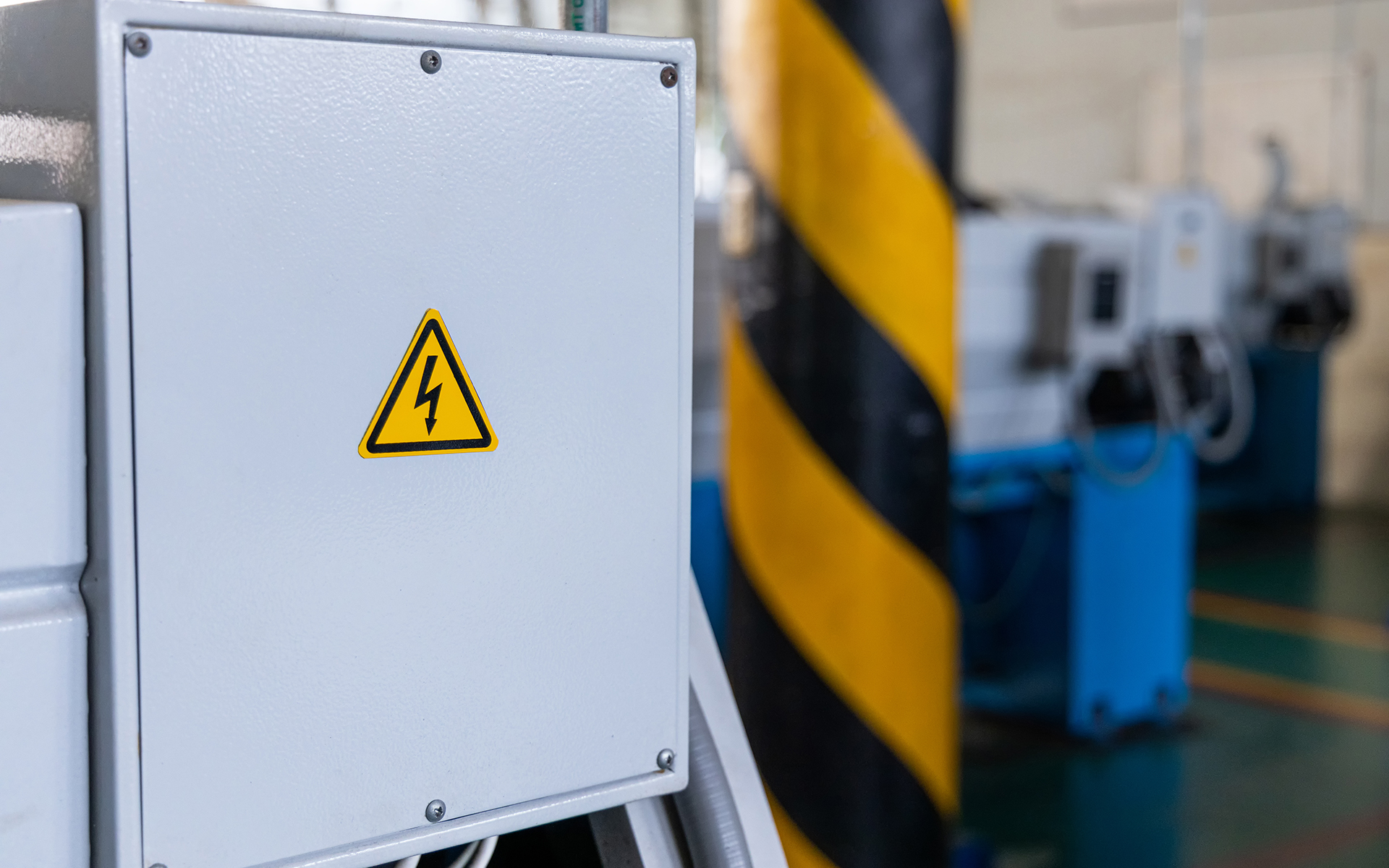
An arc flash is the rapid conversion of electrical energy into thermal and light energy. It’s caused by an electrical arc (short circuit) between at least two live parts or one live part and an effective ground. The rapid conversion of energy (electrical explosion) causes a concussive pressure wave (arc blast) that can produce damaging levels of sound and is often accompanied by shrapnel. The resultant thermal energy is measured in calories per square centimeter (cal/cm2) and referred to as arc flash incident energy.
Henderson evaluates and mitigates the risk of potential arc flashes and electrical hazards through various studies, providing a safety check for building owners. Arcing events are extremely dangerous and often result in injury or death. Our team conducts these studies to create strategies that protect people and ensure building compliance.
Arc Flash Studies should be conducted at an interval not to exceed five years or when system changes invalidate previous calculations. An Arc Flash Study is one of several critical studies that help evaluate and improve the safety and reliability of electrical systems. While people often use Arc Flash Studies as a catch-all term, an Arc Flash Study may be performed alongside other studies. These include, but are not limited to, Short-Circuit, Device Evaluation, Voltage Drop, and Coordination.
A Short-Circuit Study focuses on the potential fault currents that may be available at specific points throughout the electrical system, while a Device Evaluation Study verifies overcurrent devices and equipment are rated appropriately to handle potential fault conditions. A Voltage Drop Analysis is a bit different, and setup conditions can vary depending on assessment goals. The purpose is to identify locations where insufficient voltage may cause undue wear or potential non-operation of electrical devices.
But it’s not just about safety; it’s about liability and compliance that experienced engineers can help building owners detect. These studies are mandated or implicated by numerous safety standards and regulations, such as OSHA, NFPA 70E, NFPA 70 (NEC), and IEEE, and are legally enforced in several states. Building owners are responsible for identifying and addressing workplace hazards, including those posed by energized electrical equipment, through documented assessments. NFPA 70E, which supports OSHA’s requirements, outlines the need for a comprehensive electrical safety program and requires Arc Flash Analysis to determine incident energy levels, establish arc flash boundaries, and define the appropriate personal protective equipment (PPE) to limit injury. Equipment likely to be serviced while energized must also be labeled with hazard and PPE information, ensuring compliance and enhancing worker safety.
An Arc Flash Study and labeling are not only required for new construction projects, but also for existing buildings. They assess and notify workers of the potential energy release during electrical equipment maintenance, ensuring a safe work environment.
OCPD Coordination Study: Balancing Protection and Performance in Electrical Systems
A Selective Coordination Study is conducted to aid in limiting the breadth of outages, and, unfortunately, often conflicts with efforts to limit arc flash hazards. To achieve a fully coordinated system, protective device settings are often increased in pickup magnitude and delayed, which can extend the duration of an arc flash event. Altogether, this study gives a clearer picture of how an electrical system performs and how well it’s protected. This basic check helps us make sure the overcurrent protective devices (OCPDs) and equipment are appropriately situated and will trip to maximize protection, shutting down only the problem area, not the whole building.
This coordination is vital, especially in multi-building environments where system complexity multiplies. Done improperly, even a minor electrical event can turn into widespread disruption. For a hospital, a brief disruption could put patients at risk and interfere with equipment or medication. Commercial buildings, on the other hand, could face significant financial losses and downtime.
The Cost of Inaction
Failing to conduct proper electrical studies doesn’t just expose your team to risk; it invites costly downtime. The result of inaction can be costly and dangerous. Below are a few consequences that could result if these studies are not completed:
- Restarting building systems can take considerable time (especially highly automated logistics or industrial processes)
- Backup systems, if available, may not cover all critical loads
- Operations halt, deadlines missed, and revenue takes a hit
- Comprehensive compliance with OSHA/NFPA 70E
- Reduced downtime and minimized equipment damage
- Improved safety for personnel
- Streamlined implementation and facility-wide standardization
- Peace of mind