
Home / Insights / Thought Leadership
Tailoring MEP Services for Fitness Facilities
Designing high-performance fitness facilities requires more than strong branding and quality equipment. Behind every successful gym and boutique fitness studio is a carefully engineered system of mechanical, electrical, and plumbing infrastructure that supports the experience fitness enthusiasts expect. As contrast therapies like infrared saunas, steam rooms, and cold plunge pools grow in popularity, the importance of tailored MEP services in fitness facilities has never been greater.
Unlike traditional big-box gyms, boutique fitness spaces often operate in tighter footprints with highly specialized programming. A studio offering hot yoga, cold plunge immersion, and steam therapy, places dramatically different demands on HVAC systems than a standard weight room. Off-the-shelf solutions rarely account for the moisture loads, temperature swings, and air quality requirements these environments create. That is where Henderson Engineers and customized MEP design make the difference.
How Contrast Therapy Changes HVAC Design
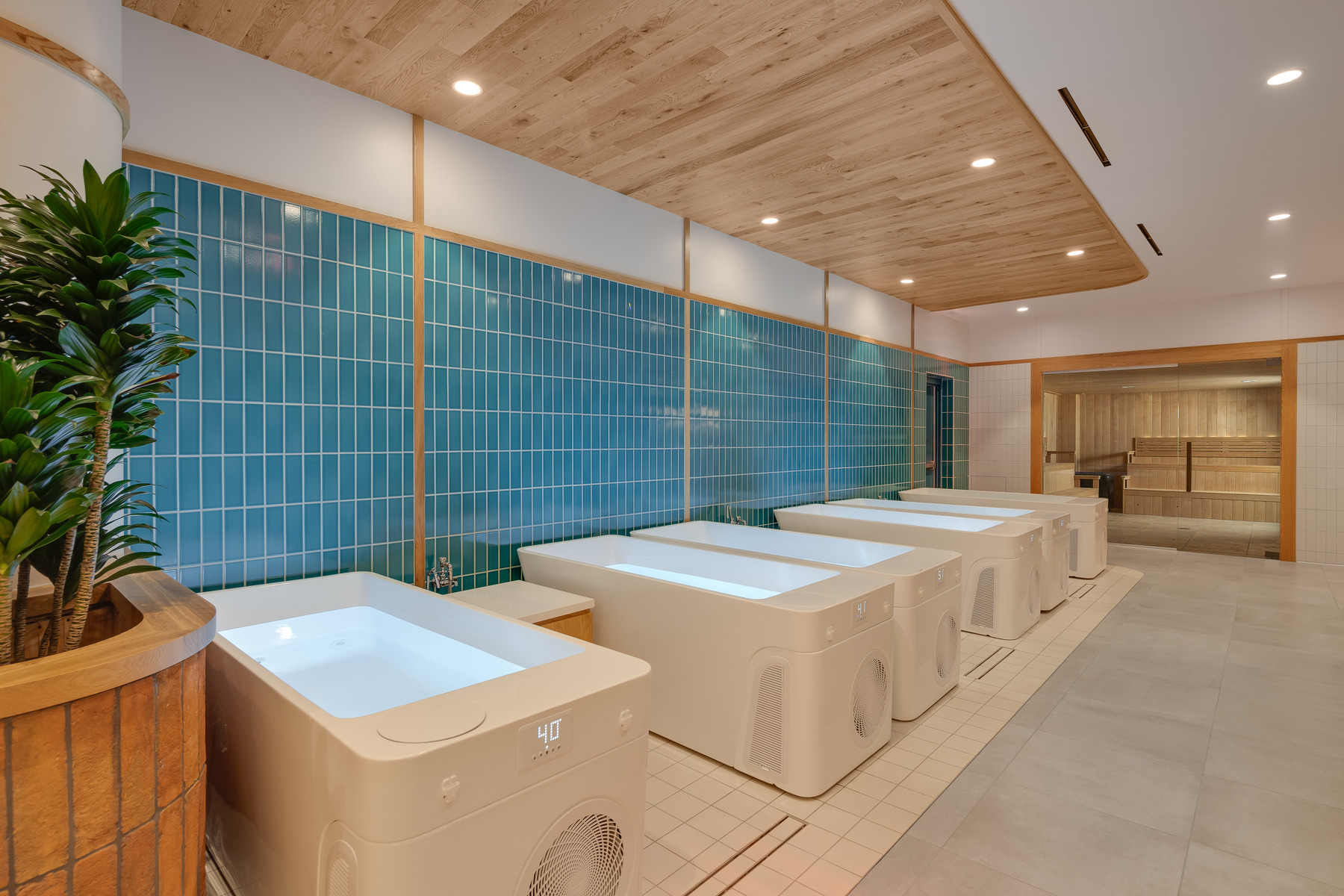
Contrast therapy spaces intentionally move people between extreme temperatures to facilitate sports recovery and injury rehab. A session may include a 200-degree sauna, a steam room at 100 percent relative humidity, and a 50-degree cold plunge pool. Each element introduces unique challenges for mechanical systems. Steam rooms and pools generate high latent loads, meaning moisture removal becomes just as important as temperature control. Without proper dehumidification HVAC units, condensation can accumulate on walls, ceilings, and within ductwork. Over time, that moisture leads to corrosion, mold growth, and premature equipment failure. In boutique facilities where every square foot drives revenue, downtime is costly.Dehumidification is not Optional
Facilities can sometimes underestimate the impact of humidity. Members feel it immediately. Excess moisture makes spaces feel stuffy and can create odor and water damage issues. More importantly, high humidity compromises building performance and can ultimately affect gym equipment and occupant comfort. Because condensation occurs on cold surfaces and can drip on other surfaces and floors, it can damage finishes from condensation. Dedicated HVAC units with dehumidification capability should be specified to maintain relative humidity levels below 60 percent. These systems often include energy recovery components to offset the cost of conditioning large volumes of outdoor air. When integrated correctly, they maintain comfortable conditions while protecting structural components and finishes. For facilities that include pools, spas, or hydrotherapy, we also consider evaporation rates, water surface area, and air velocity across the pool deck. Even small boutique pools generate significant moisture loads. A custom solution ensures supply air is provided to prevent condensation while maintaining proper pressure relationships between wet and dry zones.Custom Solutions for Boutique Fitness Studios
Boutique fitness brands often differentiate themselves through unique amenities. One studio may focus on hot yoga with humidity control to enhance the experience. Another may combine saunas and red-light therapy in private rooms. Each demands a different mechanical strategy. Our team works with owners to understand programming, class schedules, and occupancy before designing systems. For example, a studio that runs back-to-back hot yoga sessions requires temperature control between classes. We can size equipment and controls to ramp ventilation and cooling quickly while maintaining energy efficiency during off-peak hours. A facility offering contrast therapy may require zoning strategies that isolate high-humidity areas from strength training floors or locker rooms. Pressure control prevents moist air from migrating into adjacent rooms. Custom air distribution layouts ensure even temperatures without creating drafts that diminish the wellness experience.A Collaborative Approach to MEP Design
Successful fitness facility engineering requires collaboration among architects, owners, and contractors. Early involvement allows MEP teams to influence space planning, ceiling heights, and equipment room locations. In retrofit projects, careful assessment of existing infrastructure determines whether upgrades can support new amenities. We approach each project with a focus on performance, flexibility, and a tailored approach to meet our clients’ goals. Our team evaluates moisture loads, ventilation requirements, and electrical demand specific to the services offered. From there, we design mechanical ducts, diffusers, and equipment specified to suit the space needs. As wellness trends evolve, mid-sized gyms and boutique studios must adapt quickly. Tailored MEP services in fitness facilities ensure these spaces deliver safe, comfortable and energy-efficient environments for members. By investing in tailored engineering solutions, gyms create resilient facilities that support both business growth and client well-being